- Kaya | Stories of People & the Spaces They Bring to Life
- Posts
- Not Everything Beautiful Stays With You
Not Everything Beautiful Stays With You

Rachel Dala
March 20, 2026
Some spaces are beautiful the moment you see them. Soft colors, warm materials, pleasing shapes. They’re easy to like.
But not every beautiful space is powerful.
And interestingly, not every powerful space is traditionally “pretty.”
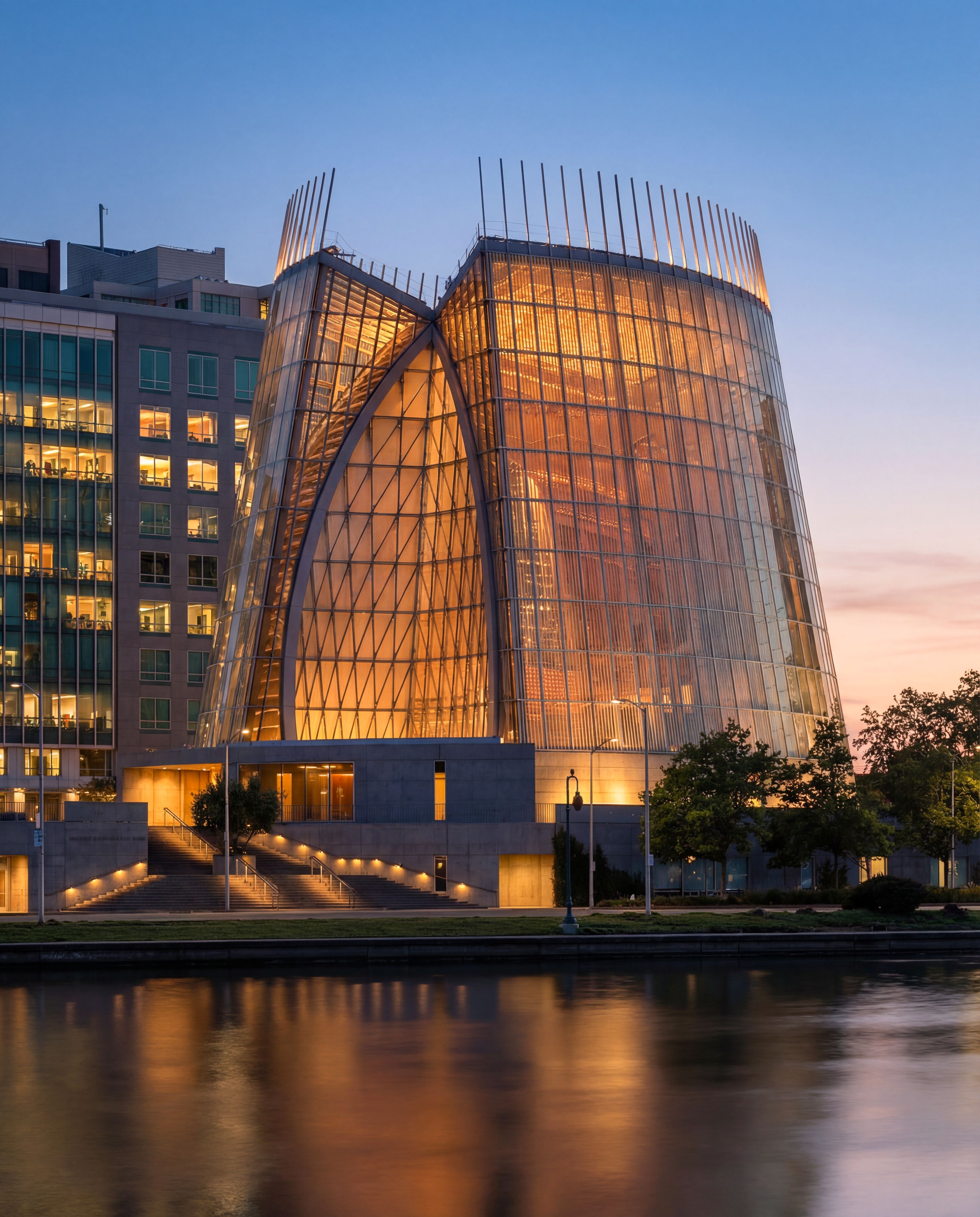
I realized this the first time I visited the Cathedral of Light in Oakland, California — a space that felt different in a way I couldn’t immediately explain.
The Space That Changed How I See Design
From a purely aesthetic standpoint, the materials themselves aren’t what most people would call “pretty.” The building is largely made of concrete, glass, and metal — materials that feel industrial and heavy.
Concrete isn’t exactly the first thing that comes to mind when you think of warmth or softness.
But when you step inside, something shifts.
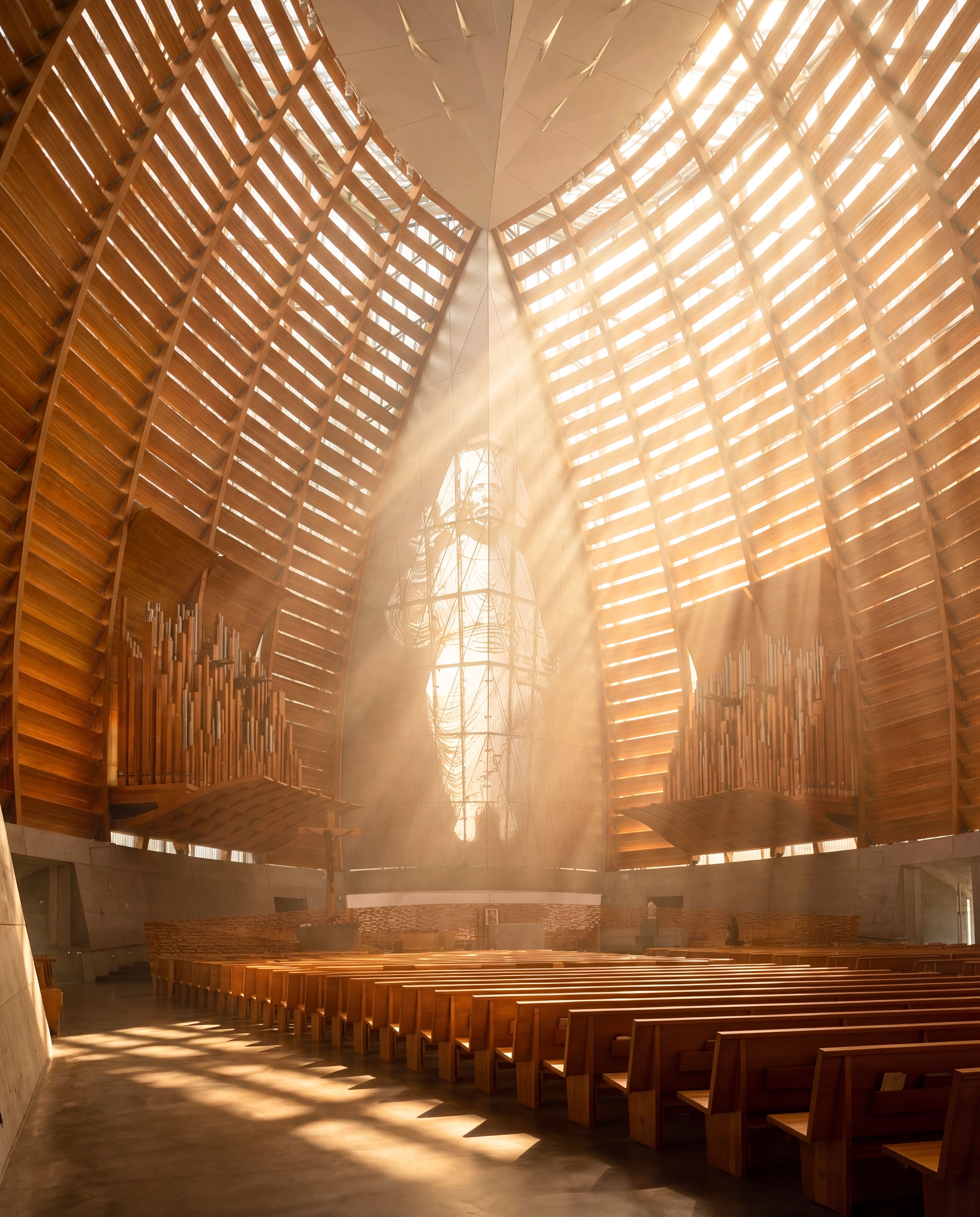
The architects, Craig W. Hartman of Skidmore, Owings & Merrill, used scale, form, and especially light in a way that completely transforms those materials. Light pours into the cathedral and moves across the surfaces throughout the day. What could have felt harsh instead feels calm and almost weightless.
The space feels gentle, even though the materials themselves are strong and rigid.
And that contrast is what makes it powerful.
What made the experience even more memorable for me was hearing a Filipino choir perform there for the first time. They were singing religious songs not only in English, but also in Tagalog — a language connected to my culture.
The sound filled the cathedral in a way that felt almost otherworldly. The scale and thoughtfully placed materials of the space allowed the acoustics and music to expand and resonate, and suddenly the architecture, the light, and the voices all worked together.
It felt angelic.
Not because the materials were soft or decorative — but because the design allowed something emotional to happen inside the space.
Years later, my mom joined that choir. And eventually, Mike and I did too.
So that space became more than architecture. It became part of our story.
What That Experience Revealed
Experiences like that reveal something important about design.
People who love design often start with beauty.
But beauty is only one dimension of what a space can do.
Interior design has the ability to shape how we feel, how we move, and how we experience a moment. A room can make us slow down. It can make us feel calm, reflective, energized, or even small in the best possible way.
That’s where the idea of power in design begins.
Powerful spaces don’t rely only on decoration or visual softness. They work through deeper design decisions — scale, light, proportion, material, and the way those elements interact with the human body.
Once you start noticing this, you realize something important:
A space doesn’t need to be conventionally pretty to be deeply moving.
When Beauty Isn’t the Goal
Many people assume that the goal of design is to create something visually pleasing. And often, that’s true.
But design can also aim for something different: emotional impact.
A powerful space might use materials that feel industrial, heavy, or even cold at first glance. Concrete. Glass. Metal. These aren’t usually the materials people associate with warmth or comfort.
Yet when they’re used intentionally — shaped carefully, paired with the right scale, and softened with light — they can create something extraordinary.
Instead of relying on decoration, these spaces rely on atmosphere.
They create feeling through contrast.
A darker material paired with warm light.
A massive scale paired with quiet stillness.
A hard surface paired with something soft, like sound or movement.
This is where design moves beyond aesthetics and becomes something experiential.
Where the Feeling Comes From
Elements like scale, color, texture, and light guide people through a space.
They can encourage you to pause.
They can invite movement.
They can create a sense of calm, excitement, or reflection.
Even something simple — the way light touches a material — can completely change how that material is perceived.
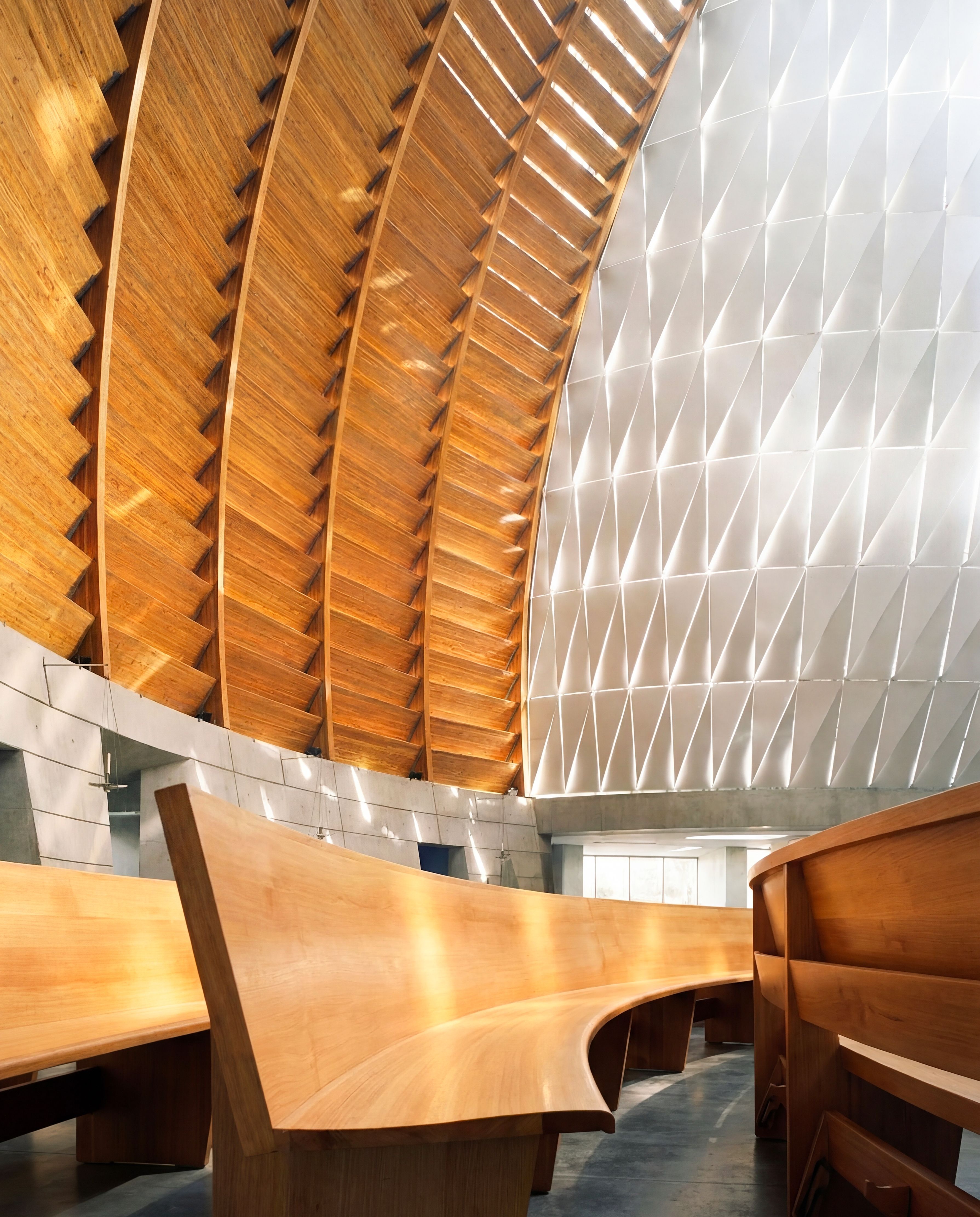
Concrete can feel cold and heavy.
But paired with warm light and thoughtful form, it can feel almost spiritual.
This is the quiet power of design.
A Small Way to Try This at Home
You don’t need to design a cathedral to experiment with this idea.
Sometimes the shift can start with something much smaller.
Think about a piece in your home that feels a little too harsh or industrial. Maybe it’s a dark dresser, a metal shelf, or a piece of furniture that feels heavy or rigid.
Instead of replacing it, try changing the elements around it.
Add light.
Add something organic, like a plant.
Add a softer texture or a rounded object—a vase, a candle, or an accessory made of fabric or natural materials like wood.
Just like the cathedral used light, wood, and curved lines to soften concrete, small elements can change the way a piece of furniture feels within a room.
Design is often about contrast.
Sometimes a single new element can completely shift the mood of a space.
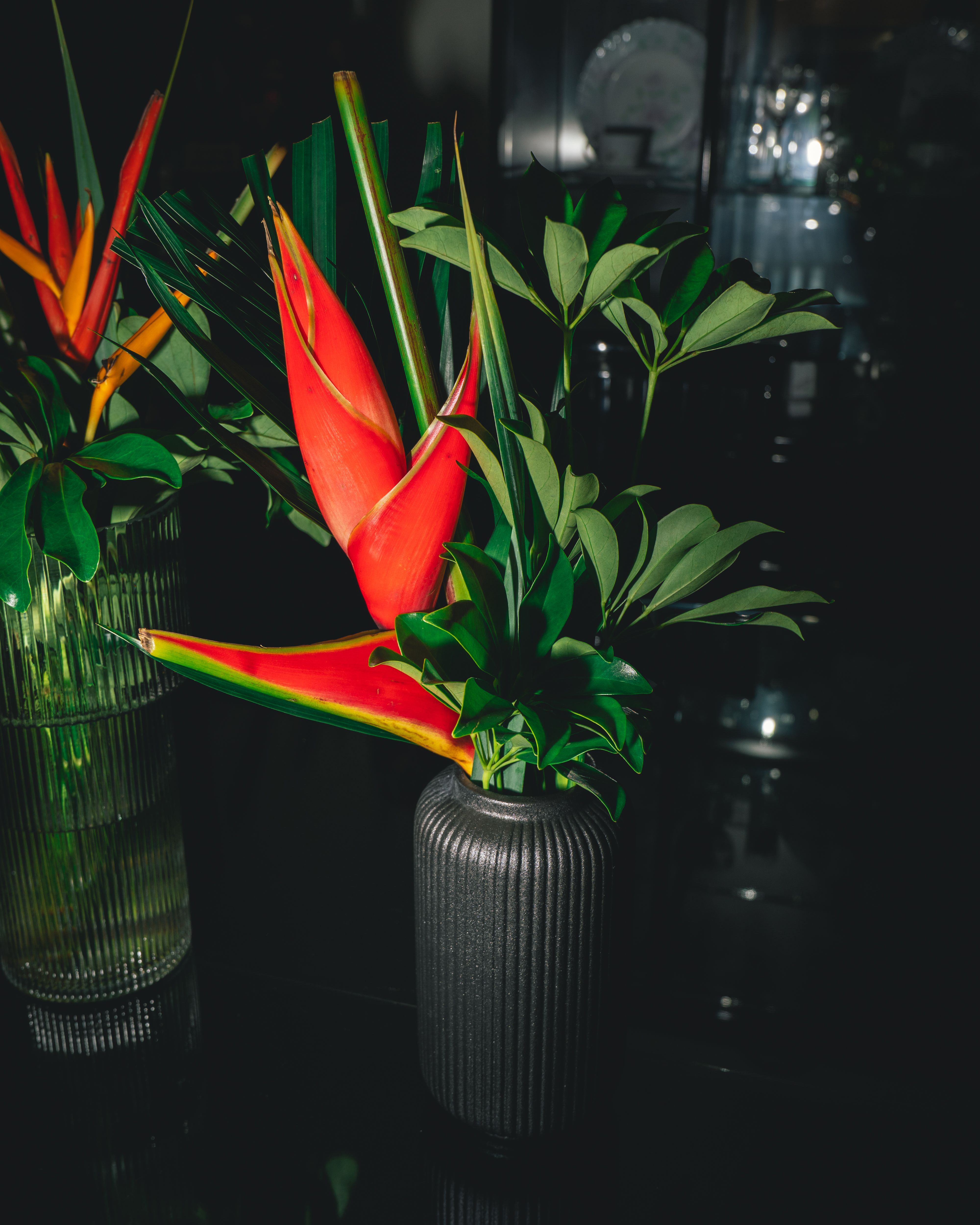
A tropical bouquet I picked up at Trader Joe’s — softening the harder surfaces around it.
Not Just Pretty — But Meaningful
The longer you pay attention to spaces, the more you realize that design isn’t just decoration.
It’s influence.
A room can make us feel calm, confident, reflective, or energized. It can guide how we move and how we experience a moment.
And once you start noticing that power, you begin to see spaces differently.
Not just as pretty — but as meaningful.
Gentle Call to Action
Take a look at one piece in your home this week that you’ve been unsure about — something that feels too heavy, too dark, or too plain.
Instead of replacing it, try adding one new element around it and notice how the feeling shifts.
If you do, we’d love to hear about it. You can reply and share what changed for you — or even send a before and after if you feel like it.
Sometimes the smallest design decisions reveal just how powerful a space can be.
Reply